


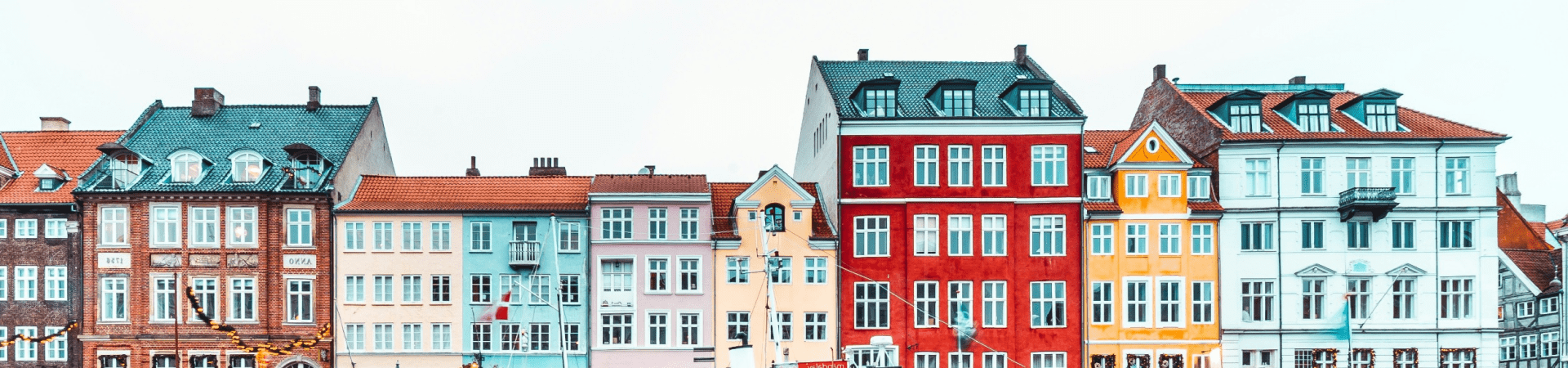
Denmark
- About Denmark:
- Denmark is a Nordic country located in Northern Europe. It is the southernmost of the Scandinavian countries and is comprised of the Jutland Peninsula and numerous islands, including Zealand and Funen.
- The capital and largest city is Copenhagen.
- Denmark is known for its high standard of living, strong social welfare system, and progressive policies. It has a constitutional monarchy with a parliamentary democracy.
- The country has a rich cultural heritage, beautiful landscapes, and a strong focus on sustainability.
- Religion & Culture:
- The majority of the population in Denmark is affiliated with the Evangelical Lutheran Church of Denmark, which is the state church. However, Denmark is known for its religious tolerance, and there is freedom of religion.
- Danish culture is characterized by a blend of Nordic traditions, modern design, and a focus on social equality.
- The Danes value a work-life balance and have a strong sense of community. Hygge, a term often associated with Danish culture, represents a cozy and comfortable atmosphere.
- Education & Work:
- Denmark has a well-regarded education system, and higher education is known for its quality. The country offers a range of programs at universities and other institutions.
- The Danish job market is diverse, with strong sectors in information technology, pharmaceuticals, renewable energy, shipping, and design.
- Denmark is known for its flexible work hours and a work environment that promotes a healthy work-life balance.
- Proficiency in English is often sufficient for working in Denmark, especially in international companies. However, learning Danish can enhance job opportunities and integration into Danish society.
- Criteria for Applying for a Job Visa:
- Citizens of EU/EEA countries do not need a visa to work in Denmark. However, if you are from a non-EU/EEA country, you will generally need a work visa.
- The primary criterion for obtaining a work visa is having a valid job offer from a Danish employer. The job offer should meet specific criteria set by Danish immigration authorities.
- Qualifications and professional experience are crucial factors. In some cases, professional qualifications may need recognition by Danish authorities.
- Language proficiency may be important, depending on the nature of the job. While many Danes speak English fluently, knowing Danish can be advantageous for certain positions.
- Proof of financial means and health insurance coverage may be required.
As immigration policies can change, it’s crucial to check the most up-to-date information from official sources, such as the Danish Immigration Service or the nearest Danish embassy or consulate, before planning any move to Denmark.


